
Ask anyone in Ugandan football what the game needs most, and almost everyone will say money: from sponsors, from government, from well-wishers.
Yet we have watched it happen countless times. A new club launches with attention and funding, then fades and disappears. In 1992, a Ugandan club sold a player directly to a French club for an estimated $180,000. Twenty-eight years later, that club had no training ground, no website, and survived on cash handouts from well-wishers.
Money came in. It did not last. The problem was never only money. It was how the club was run.
The problem: we solve the wrong thing first
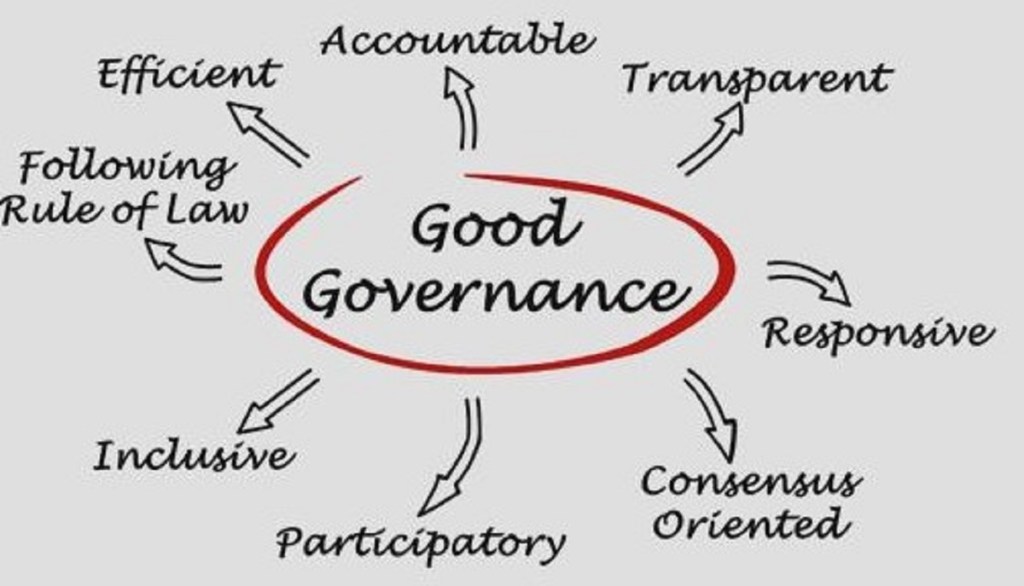
When we talk about fixing football, the conversation always returns to finding sponsors. But having little money or a lot of money does not decide whether a football organisation fails or succeeds. What decides it is governance: the rules, practices and processes used to direct and manage an organisation so that it succeeds in the long term.
Governance is hard to define but easy to recognise in practice. You can see it when decisions are clear, roles are known, and money is accounted for.
Why governance comes first
Everything in football belongs to one of three arms:
- Governance: how the organisation is directed and controlled.
- Sporting: the teams, coaching and competitions.
- Business: income, sponsors, commercial activity.
Without good governance, the sporting and business arms struggle to develop, and whatever success they have does not last. Sustainable success starts with governance.

The solution, step 1: separate the powers
The first practical step is to separate powers, responsibilities and roles:
- Owners or members appoint or vote in the chairperson or president.
- The chairperson or president appoints the rest of the board or executive committee.
- The board or executive committee appoints a CEO to run day-to-day operations.
Each of these three levels (owners or members, the board, and management) should have its powers, responsibilities and roles written down and kept separate. When the chairperson is also picking the team and signing the cheques, nobody is checking anybody.

Step 2: check your club against seven questions
Use this as a self-assessment for your club, academy or association. Every “no” is a place to start.
- Is it clear who the owners are?
- Are board or executive committee members trained for board roles?
- Do you have documented policies, procedures and a constitution?
- Are decisions and policies communicated quickly and effectively?
- Does everyone have a documented role description, clear objectives and regular appraisals?
- Do board members, management and staff attend regular training together?
- Are core competencies written down for each position, and are positions filled by competent people?
Step 3: learn from the best companies around you
Football works differently from other sectors. Still, Uganda’s best-performing corporate companies show that good governance is the foundation of sustainability. Benchmark against them: how they structure boards, document roles and report on money.
The takeaway
Before you chase the next sponsor, fix how your organisation is run. Good governance creates efficiency, and efficiency is what makes money last.
How many of the seven questions can your club answer “yes” to? Share your score in the comments, and subscribe for more on developing football in Uganda.
Related: Mutualized services would develop football in Uganda · Managing finances for football in Uganda


Leave a Reply